

A professional accountant can help ensure tax compliance and raise much-needed capital by using the right accounting tools to obtain timely information. Evaluate the cash flow statement to assess the startup’s ability to manage its finances and identify any areas of concern. Examine the startup bookkeeping balance sheet, focusing on the company’s assets (cash, investments, receivables) and liabilities (loans, mortgages) together with supporting reports. The key financial reports include an income statement and balance sheet, an AP and AR age analysis, and a budget and variance analysis.
Adaptive raises $6.5M to simplify accounting for construction companies – SiliconANGLE News
Adaptive raises $6.5M to simplify accounting for construction companies.
Posted: Thu, 07 Jul 2022 07:00:00 GMT [source]
What is online bookkeeping?
We work with thousands of startups, ranging from two founders in a garage to hundred-person teams. Understanding where your transactions are coming from is vital to your startup. If you know this metric, you can run geographical ads targeted in that area, have an office closer to your customer base, and more.
Accounting 101: Accounting Basics for Beginners to Learn
- Your accountant monitors your financials and ensures your compliance documents are in place and accurate.
- Accounting for startups involves keeping accurate records of financial transactions and examining your finances to identify opportunities for growth and improvement.
- FreshBooks can help with resources for small businesses and free trials of software.
- This is the easiest of the two methods; however, it doesn’t always provide the most in-depth or accurate representation of the company’s financial position.
- Online payments refer to eWallets, credit cards, online bank payments, or payment gateways.
- It can be time-consuming, tiring, and leaves plenty of room for accounting errors.
- It’s also helpful to understand how to market your services and manage the financial side of running a business.
Once your business gets under way, you can make a monthly budget to track your cash inflows and outflows. You’ll also need to give some thought to how you plan to invoice your clients for your services. That includes choosing when to send invoices, how quickly you expect them to be paid, and which payment methods you’ll accept. Even if you’re just planning to offer bookkeeping services remotely as a sole proprietor, it can still be helpful to flesh out the exact steps you’ll need to take to succeed. You will also need to decide which accounting method your business will use.
Calculate Projected Profit
- As transaction volumes increase, consider expanding your finance team.
- Accounting software used to be cumbersome and more suitable for larger businesses.
- You could always hand it off to the professional certified public accountants (CPAs) if you just don’t want to deal with it.
- Thus, many startups find that maintaining a headquarters is overhead they don’t need, opening them up to employees from anywhere.
- The Ascent, a Motley Fool service, does not cover all offers on the market.
- That’s why bookkeeping and accounting are so important, particularly for startups.
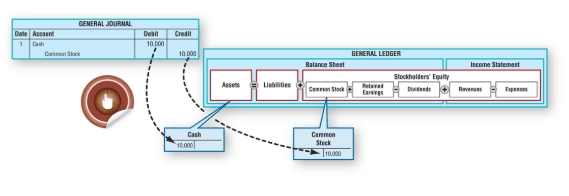
Ultimately, it’s simply not necessary to pay extra for in-house accounting services for most startups. Outsourcing is cheaper and usually more than sufficient for your needs. Someone who’s new to the profession, for example, may start their rates at $20 an hour, while someone with several years of experience may charge $35 an hour or more. Researching average bookkeeper salaries for your area can give you an idea of what your competitors may charge. The balance sheet reflects what your business owns, owes, and the value of the business owner’s investments through assets, liabilities, and owner’s equity, respectively.
Reconciling bank statements regularly provides reliable information about the startup’s cash flow, enabling entrepreneurs to manage funds efficiently. To facilitate bank reconciliation, startups should implement robust internal controls, such as segregating financial duties and conducting regular audits. Startups do accounting by implementing a range of financial management https://www.bookstime.com/ techniques, depending on the founders financial sophistication and time. The best startups use a cloud-based accounting software like QuickBooks Online to do basic bookkeeping, which includes tracking income, expenses, and other financial transactions. They may DIY their books, but should work with a CPA firm to file taxes and ensure state and local tax compliance.
- Calculating the correct business taxes could become difficult if you don’t maintain accurate financial accounts.
- The type of business entity you are will affect how your startup is taxed and determine your bookkeeping requirements.
- There are actually multiple different types of accounting, each of which is better suited to different purposes.
- Whether it’s investors, creditors, or potential partners, your financial statements tell a story of financial health and potential.
- Every startup accounting system is built on the three main financial statements.
- Using financial statements and relevant financial data, owners can ensure business growth through astute financial management and deploy resources where needed.
- A professional accountant can file taxes efficiently and to your best advantage, with minimal fuss and bother.
Creating a Business Plan for Your Bookkeeping Business

- Accounting software programs vary based on what types of features they offer.
- The issuer of your Tide card will be identified on your monthly card statement.
- It also makes running your business a lot easier because you are going to see what is going on all the time.
- Equity financing occurs when a company issues its stock or equity to investors for sale.
- This type of software will inform you about your company’s financial position and make it easy to keep files, receipts, documents, and records in order.
Recent Comments